

The Allure of Gambling
Casino players are often drawn to the thrill of uncertainty and the prospect of winning big. The environment of a casino is meticulously designed to evoke excitement, with flashing lights, vibrant colors, and sounds of coins cascading. These elements stimulate the senses and create an adrenaline rush that can override rational thinking. This sensory overload helps players escape from their daily lives, offering a unique form of entertainment, and many are looking for new bitcoin casinos to enhance their experience.
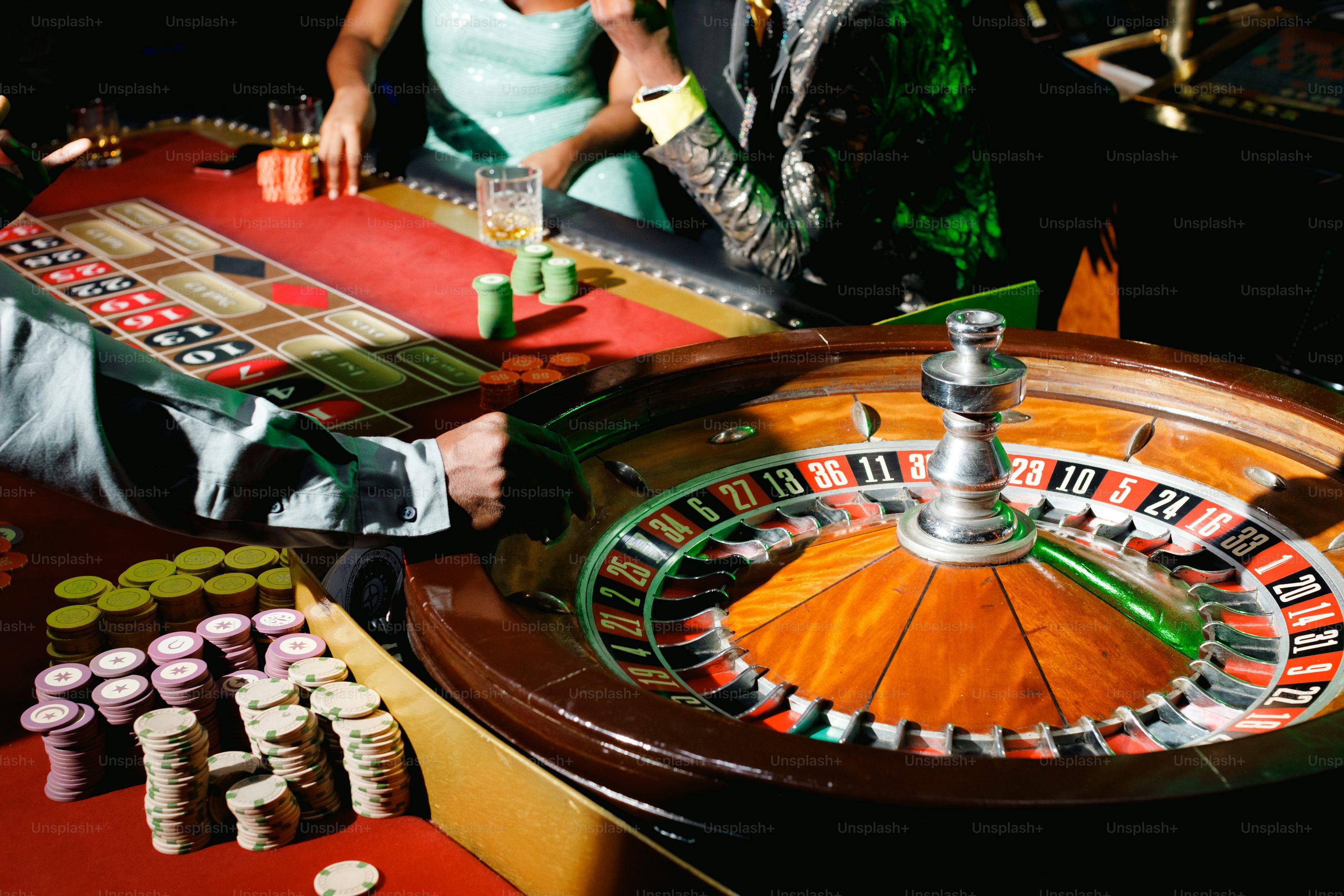
Moreover, the concept of risk and reward plays a crucial role in attracting players. The idea that a modest investment can lead to substantial gains fuels the desire to participate in gambling activities. This allure is deeply ingrained in human psychology, as individuals often perceive the potential rewards as a key motivating factor, even when statistical probabilities suggest otherwise.
The Role of Emotions
Emotional factors significantly influence the decision-making processes of casino players. Many individuals enter a casino seeking excitement, relief from stress, or a means to socialize with others. These emotional states can dictate how players approach their gambling experiences. A player in high spirits may take more risks, while someone feeling anxious might play conservatively.
Addiction can also stem from emotional responses to gambling. Players may chase wins or attempt to recover losses, ignoring the reality of the risks involved. This cycle of emotional highs and lows can lead to compulsive gambling behavior, further complicating their decision-making and financial stability.
The Impact of Cognitive Biases
Cognitive biases also shape how casino players make their decisions. Many players fall victim to the gambler’s fallacy, where they believe past outcomes influence future results. For instance, someone might think that a slot machine is “due” for a win after a series of losses, ultimately leading them to play longer than intended.
Additionally, confirmation bias plays a role, as players tend to remember their wins more vividly than their losses. This selective memory can reinforce their belief in their gambling skills or luck, making them more likely to continue playing despite evidence to the contrary. Understanding these cognitive distortions is essential in grasping why players make certain choices in the casino environment.
The Social Influence of Gambling
The social aspects of gambling cannot be overlooked, as many players are influenced by their peers. Whether it’s friends encouraging them to play or the shared excitement of a winning moment, social dynamics significantly impact gambling behavior. Group settings can amplify the thrill, leading individuals to take risks they might avoid when playing alone.
Furthermore, the communal experience of gambling can enhance feelings of belonging and camaraderie. This sense of community can be a powerful motivator for players, driving them to engage in gaming activities not only for the potential monetary rewards but also for the social connections they forge within the casino environment.
Ensuring a Secure Gaming Experience
As casinos evolve, so does their commitment to providing a safe and enjoyable atmosphere for players. Websites like syntouchinc.com exemplify this dedication, focusing on secure online experiences while offering essential information and support for visitors. This emphasis on safety helps alleviate concerns players may have about security, allowing them to focus on the enjoyment of the games.
By understanding player psychology, casinos can enhance their services and gaming options. Implementing responsible gambling initiatives and providing resources for those who may be struggling with addiction is vital. A secure platform not only attracts players but also fosters a loyal community that values safety alongside entertainment.